
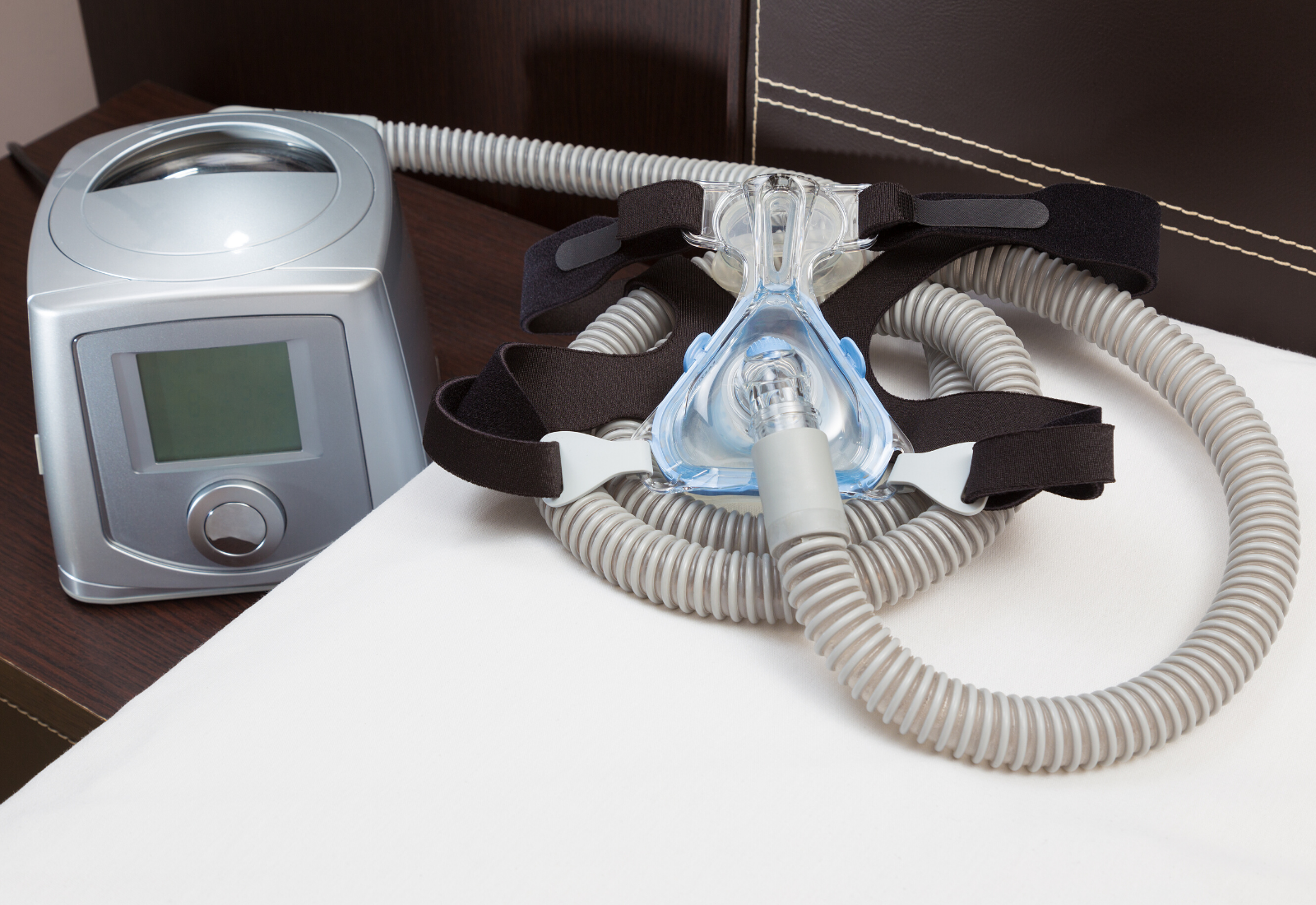
Sleep apnea is a common but serious sleep disorder that affects millions of people worldwide. In Australia, awareness and treatment options for sleep apnea have evolved significantly over recent years, providing those who suffer from this condition with a reliable means of management. Continuous Positive Airway Pressure (CPAP) machines have emerged as an effective treatment path, enabling healthier sleep patterns and improved quality of life. This article will delve into the intricacies of sleep apnea, the function of CPAP machines, and how to select and maintain the right device for your needs.
Understanding Sleep Apnea: A Brief Overview
Sleep apnea is characterized by repeated interruptions in breathing during sleep, which can lead to fragmented sleep and reduced oxygen flow to the brain. The most common form of sleep apnea, obstructive sleep apnea (OSA), occurs when the throat muscles intermittently relax and block the airway during sleep. Other types include central sleep apnea and complex sleep apnea syndrome.
In conclusion, navigating sleep apnea and its treatment can be daunting, but understanding the role of CPAP machines Australia can bring significant relief and improvement to one’s life. By considering the various aspects of choosing, maintaining, and adapting to a CPAP machine, users can take proactive steps toward better sleep health. If you suspect you suffer from sleep apnea or experience any related symptoms, don’t hesitate to consult a healthcare professional for guidance and management options tailored to your needs.
The Science Behind Sleep Apnea
The condition arises due to the physical blocking of the airways or due to the brain failing to send appropriate signals to the muscles that control breathing. Factors such as obesity, age, and anatomical peculiarities can increase the risks of developing sleep apnea. Genetics and lifestyle choices, including alcohol consumption and smoking, also play significant roles in the likelihood of experiencing this sleep disorder. Furthermore, certain medical conditions, such as hypothyroidism and polycystic ovary syndrome, have been linked to a higher prevalence of sleep apnea, highlighting the importance of a comprehensive medical evaluation for those at risk.
Recent studies have also explored the connection between sleep apnea and mental health issues. Individuals with sleep apnea often experience mood disorders, such as anxiety and depression, which can be exacerbated by the chronic fatigue and stress associated with the condition. This bidirectional relationship suggests that treating sleep apnea may not only improve physical health but also enhance overall psychological well-being, making it crucial for healthcare providers to consider both aspects when diagnosing and treating patients.
Symptoms and Risks of Sleep Apnea
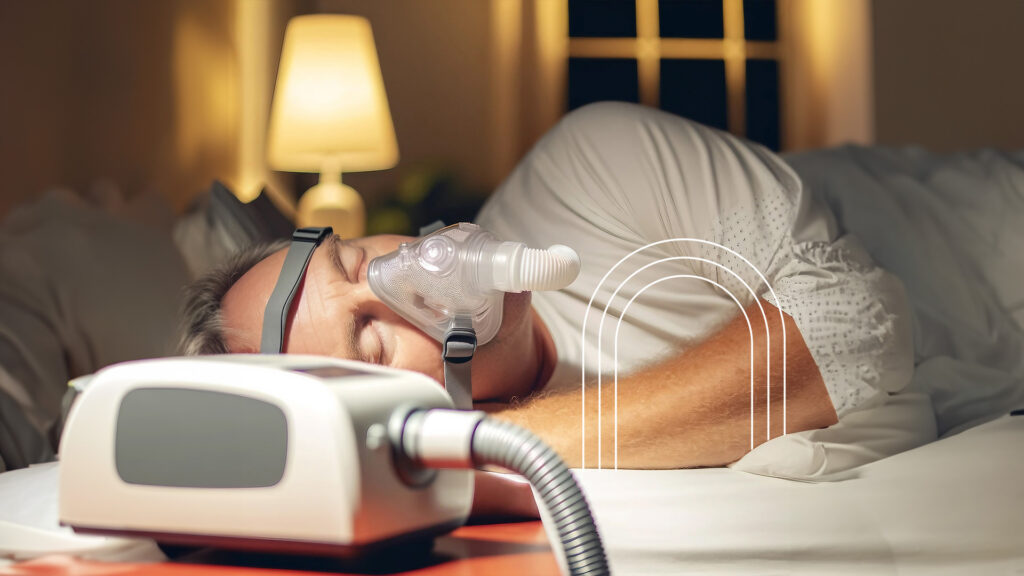
Symptoms of sleep apnea typically include loud snoring, episodes of breathing cessation during sleep, abrupt awakenings accompanied by gasping or choking, excessive daytime sleepiness, difficulty concentrating, and irritability. Ignoring these symptoms can lead to severe health risks, such as cardiovascular problems, high blood pressure, diabetes, and more. Recognizing these signs early is essential for prompt medical consultation and intervention. Additionally, sleep apnea has been associated with an increased risk of accidents, particularly in those who drive or operate machinery, due to impaired alertness and cognitive function resulting from poor sleep quality.
Moreover, the impact of sleep apnea extends beyond the individual, affecting relationships and family dynamics. Partners of individuals with sleep apnea may experience disrupted sleep due to loud snoring or frequent awakenings, leading to their own sleep deprivation and stress. This ripple effect emphasizes the importance of addressing sleep apnea not just for the affected individual but also for their loved ones, fostering a healthier sleep environment for everyone involved.
The Role of CPAP Machines in Sleep Apnea Treatment
CPAP machines are designed to provide a steady flow of air through a mask, keeping the airways open and facilitating uninterrupted breathing during sleep. This method effectively counteracts the negative effects of sleep apnea, improving sleep quality and overall well-being. Sleep apnea, a condition that affects millions worldwide, can lead to serious health issues if left untreated, including hypertension, heart disease, and stroke. By using a CPAP machine, individuals can take proactive steps towards managing their condition and enhancing their health.
How Does a CPAP Machine Work?
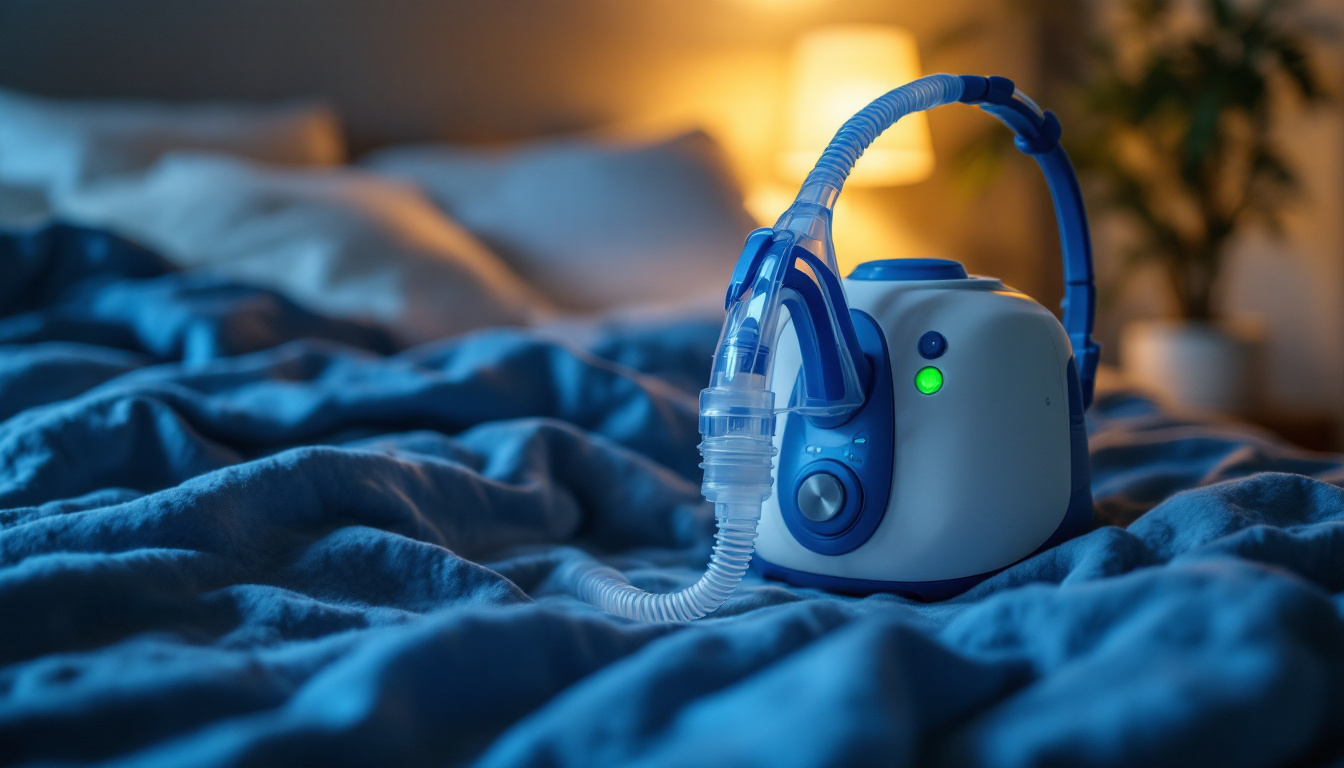
A CPAP machine delivers airway pressure to prevent airway collapse. It consists of a motor that generates airflow, a hose that transmits air to a mask, and a mask that fits over the nose or mouth. Patients wear the mask while sleeping, allowing air to flow gently into the airway, which helps maintain an open passage and allows for uninterrupted sleep. The pressure settings can be adjusted based on the severity of the sleep apnea, ensuring that each user receives personalized treatment tailored to their specific needs. Additionally, modern CPAP machines often come equipped with features such as humidifiers to add moisture to the air, enhancing comfort and reducing irritation in the airways. Read more about transmits on http://physics.bu.edu/~duffy/HTML5/reflection_transmission.html
Benefits of Using CPAP Machines
Utilizing a CPAP machine offers numerous benefits, including increased alertness during the day, reduced risk of serious health complications, alleviated snoring for bed partners, and improved overall quality of life. Many users report a remarkable improvement in their sleep patterns, leading to better mood stability and enhanced cognitive function. Furthermore, consistent use of CPAP therapy has been linked to improved cardiovascular health, as it helps to regulate blood pressure and reduce the strain on the heart caused by frequent interruptions in breathing. This not only enhances the quality of sleep but also contributes to a more vibrant and energetic lifestyle, allowing individuals to engage more fully in daily activities and social interactions.
Choosing the Right CPAP Machine
With several options available, selecting the right CPAP machine can be an overwhelming task. It’s essential to understand the various types and features of these devices to make an informed choice that suits your individual needs. The right CPAP machine can significantly enhance your quality of sleep, leading to improved overall health and well-being.
Factors to Consider When Buying a CPAP Machine
Key factors to contemplate include the type of apnea experienced, lifestyle habits, comfort preferences, and any specific features required for effective treatment. Considerations such as noise level, portability, ease of use, and access to replacement parts should also be taken into account. Additionally, it’s crucial to evaluate the machine’s compatibility with various masks, as a proper fit can greatly influence comfort and efficacy. Some users may prefer a lightweight design for travel, while others might prioritize advanced features like built-in humidifiers or Bluetooth connectivity for tracking sleep data.
Different Types of CPAP Machines
There are various types of CPAP machines, including standard CPAP, Auto CPAP, and BiPAP machines. The standard CPAP machine maintains a continuous air pressure, whereas the Auto CPAP adjusts the pressure automatically based on the user’s breathing patterns. BiPAP machines, on the other hand, provide two levels of pressure for inhalation and exhalation, which may be more beneficial for those requiring additional support. Furthermore, some machines come equipped with advanced algorithms that can detect apneas and hypopneas, adjusting the pressure in real-time to optimize treatment. This technology not only enhances comfort but also improves the effectiveness of therapy, making it easier for users to adhere to their prescribed treatment plans. Click here to find more about pressure.
Maintenance and Care for Your CPAP Machine
Maintaining your CPAP machine is crucial for ensuring its effectiveness and longevity. Proper care helps prevent the growth of harmful bacteria and prolongs the lifespan of the equipment.
Cleaning and Sanitizing Your CPAP Machine
Regular cleaning is necessary to keep the CPAP machine functioning optimally. Components such as the mask, tubing, and water chamber should be washed daily or at least weekly with mild soap and water. Additionally, specialized cleaning devices and sanitizers are available to ensure thorough disinfection of the equipment.
When to Replace Your CPAP Machine Parts
Parts such as the mask, tubing, and filters should be replaced regularly as they wear down over time. Typically, masks should be replaced every 6 to 12 months, while filters may need changing monthly or as needed, depending on the type of filter used. Familiarizing yourself with the replacement schedule ensures consistent effectiveness in your CPAP therapy.
Overcoming Challenges with CPAP Therapy
While CPAP therapy is known for its effectiveness, many users face challenges during their adjustment period. Understanding and addressing these common issues can significantly enhance the overall experience and adherence to therapy.
Common Issues and Their Solutions
Common challenges include discomfort with the mask, feelings of claustrophobia, and difficulty falling asleep. Trying different mask styles, practicing relaxation techniques before bedtime, or gradually increasing the use time can help alleviate these issues. Consulting with a sleep specialist can also provide personalized solutions tailored to individual preferences.
Tips for Adapting to Your CPAP Machine
To ease the transition to using a CPAP machine, consider the following tips:
- Start by using the CPAP machine for short periods during the day while awake.
- Practice relaxation techniques to improve comfort and reduce anxiety.
- Be consistent with nightly usage, as this will help your body adapt more quickly.
- Engage with support groups or forums to connect with other users for shared experiences.
With patience and perseverance, most users become more comfortable with their CPAP therapy, allowing for a restful night’s sleep.
Other resources: What Makes the Best CPAP Machine